Are Stores Changing Their Clothing Sizes Without Us Knowing?

If you're anything like millions of other people, you might have noticed that shopping isn't quite like what it used to be. Sure, the annoying thing that each store seems to have its own thing in mind when it comes to sizes is one thing, but why are the brands we're so used to wearing suddenly feeling like they don't quite fit the same as they used to?
You're not the only one who has tried to slide something on only to feel it's tighter around the edges, but are stores changing their clothing sizes without us knowing? That's what plenty of people think - and it's not necessarily a good thing.
Affordable brands could still be taking inspiration from designer labels
We might have heard of one size fits all, but what about those sizes fitting no one? That might be the case when it comes to clothes shopping, especially if brands are still taking inspiration from luxury labels when it comes to their sizes. Jillian Clark, the founder of Roboro, argues that these labels will often take inspiration from designer names on the market, which are marketed as the "Western beauty ideal." Then there's fashion bookings stylist and editor Lila Flint Roberts, who adds even more to the argument. She believes that brands like Zara often use the Spanish ideals - and the brand's roots - to create the "average physique" there and not the rest of the world, meaning the clothes tend to come up smaller in the long run.
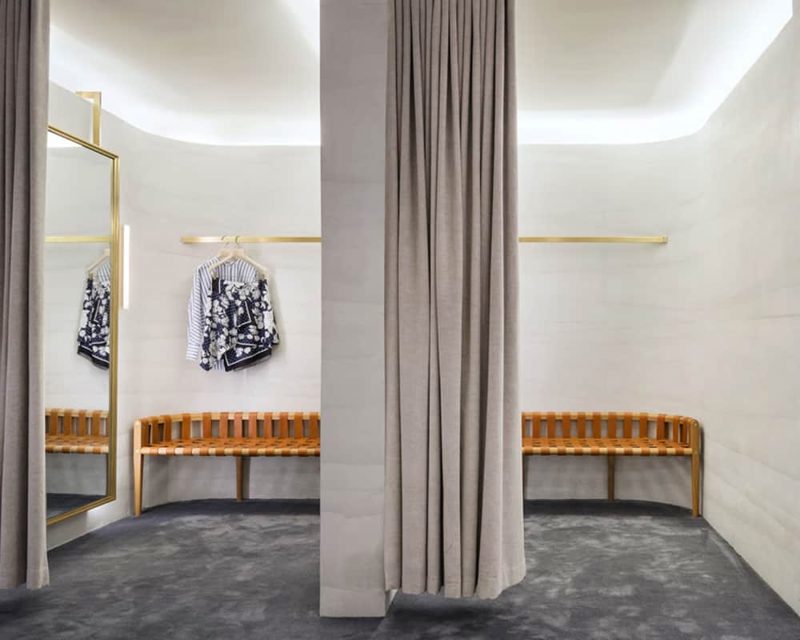
Vanity sizing could be tricking us into buying more clothes
There are two types of sizing that could be used in stores, and both can make us feel certain ways. Humility sizing is making things smaller, meaning more slender people tend to buy their outfits because people don't want to necessarily buy something in a larger size. Then, there is the other end of the scale: vanity sizing. This is when measurements are altered to make clothes bigger, even though they are still marked as a smaller size. The idea is that if someone can fit into a smaller size, they will feel better about themselves and, therefore, end up buying more clothes as they feel good.
Try avoiding the labels and stick to measurements instead
One of the best ways to avoid falling for stores changing their clothing sizes without us realizing it is to ignore the size that's on the label and look at the measurements instead. Take some time to measure the common parts that come up on these labels, such as your leg length, waist, and chest size. Then, look for those numbers instead. This way, instead of buying something that you find out doesn't fit, you can get something that should be the perfect fit.
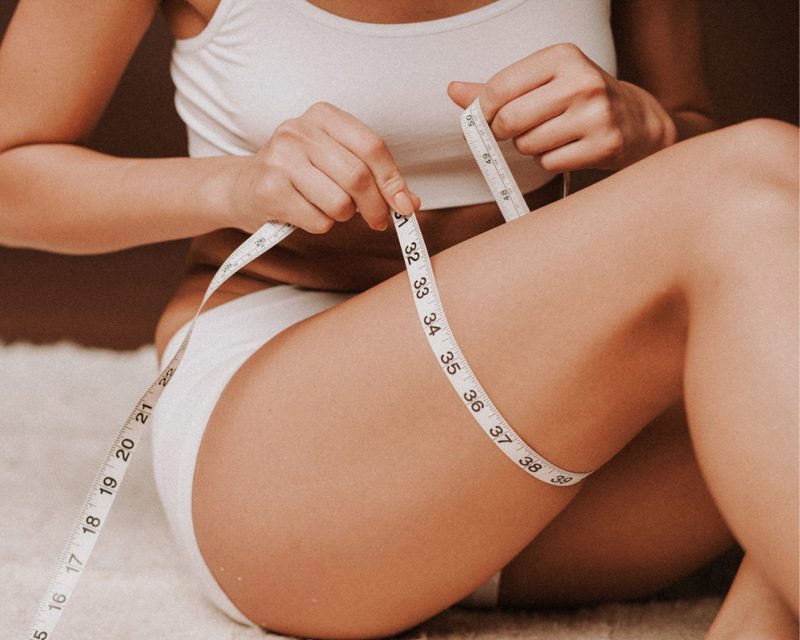
Don't let your self-esteem stop you from buying something
It can be easier said than done, but sometimes, we have to tell ourselves that it doesn't matter what size clothes we're buying: it doesn't mean we are any less beautiful. Getting something in a larger size shouldn't knock our self-confidence, especially if we know that nothing has changed and it's merely the stores doing their things with the sizing again. In fact, something can look even more flattering if it's the right size because it won't be pulling or riding up in the wrong places. It can be a big mental change to make, but it can really do wonders once we come to terms with the idea.
Are stores changing their clothing sizes without us knowing? It turns out that some just might be. For years, clothes have been designed for slim, white women. However, with the likes of humility and vanity sizing now thrown into the mix, things can get even more confusing when it comes to shopping for new outfits.
You May Also Like
 Business
How Social Media Shapes Our Product Expectations
 Fashion
The Rise of Refillable Beauty Packaging
 Fashion
Why Beauty Dupes Are Such a Big Conversation