How To Figure Out What Type Of Skin You Have

Whether you're a long-time fan of skin care or you're new to the game and wondering how to get started, there's probably something you have noticed: everything seems to be recommended for a certain skin type. While some people seemingly just know what type of skin they have, others have been left in the dark with no idea how to figure it out.
Thankfully, learning how to figure out what type of skin you have doesn't have to be as challenging as it seems. In fact, there are some simple things we can look for and do at home without having to invest in a professional. Now, you really can take your skincare to brand new levels by knowing what kind of products you need for your skin.
Normal skin is rare, but some people do have it
Believe it or not, but there aren't many people who have normal skin. If you find that you don't have any particular symptoms and that your skin is often hydrated without breakouts and never has a shine to it, you might be one of the few who has normal skin. That doesn't mean we can forget all about skincare, at least not if we want to keep things this way. Things like serums, toners, and moisturizers can all be used to help keep our skin as healthy as possible. Of course, you can't forget the SPF either!
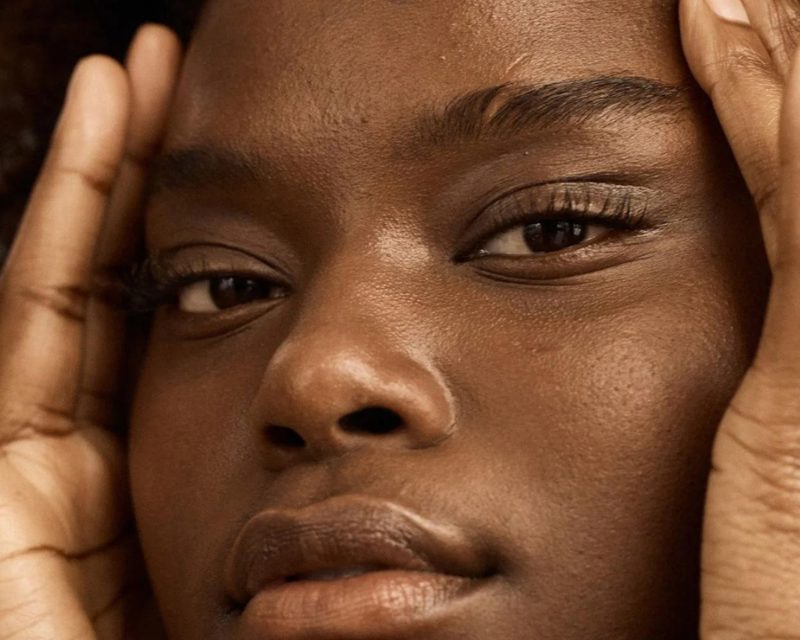
Oily skin typically results in a shine and greasy texture on the skin
Oily skin doesn't necessarily mean you can't turn things around. It's caused by having overactive oil glands and can be a result of our genetics, but it can also be a result of using the wrong skin care products. This happens when you remove too much moisture from your skin, and it responds by creating more oil. To know if you have oily skin, take a look in the mirror and see if you have things like enlarged pores, a shine, blackheads, and a greasy texture to your skin. You might also find that your makeup quickly breaks down in oily areas - particularly around your T-zone - and you could be more prone to breakouts.
Dry skin can leave someone with a tight feeling on their skin
Dryness can be triggered by all kinds of things, but most commonly, it's down to your skin barrier becoming damaged, which results in moisture escaping and irritants getting into your skin. This means you're lacking water and oil, so you need to focus on helping moisture get back into your skin while preventing it from getting out again. Things like dull-looking skin, a tight feeling, or areas that feel itchy and rough can be signs that you have dry skin. You might also find that your skin is more sensitive and that you're more likely to see signs of aging, such as fine lines and wrinkles.
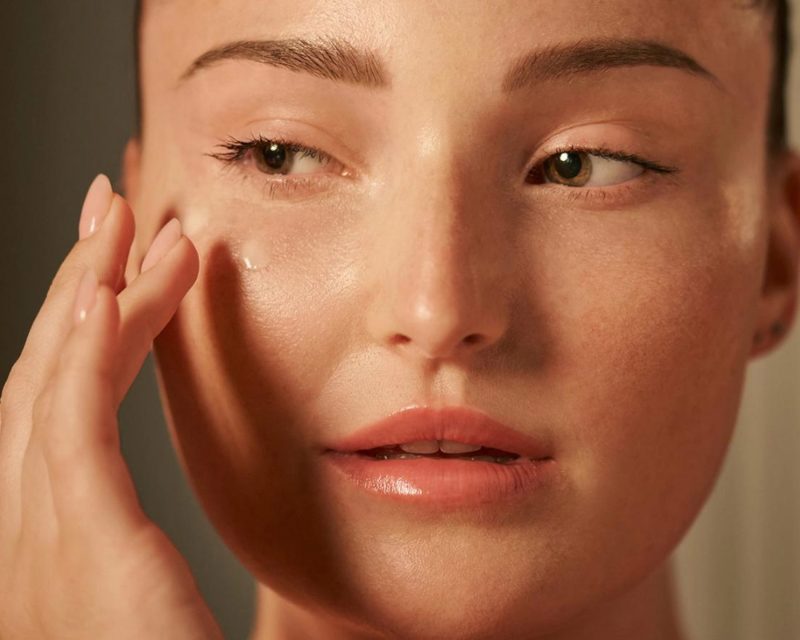
Combination skin means someone has both oily and dry skin
Sometimes, we can have more than one type of skin, which happens when we have both dry and oily skin. It can be tough to diagnose, as you will have symptoms of both types of skin. This could mean you have oily skin in your T-zone while having dry patches on other areas of your face. You might also find that your skin type changes as the seasons change, such as having more oily skin throughout the summer months and drier skin when winter rolls around.
Sensitive skin technically isn't a skin type, but it can be helped with skincare
When it comes down to it, sensitive skin isn't a skin type as everyone's skin is sensitive to certain levels, but some find their skin is more reactive to certain things than others. That's why plenty of skin care products are aimed at people with sensitive skin. If you find that things are more reactive to products and result in redness or small bumps and irritation, you could have sensitive skin and, therefore, need specialist products.
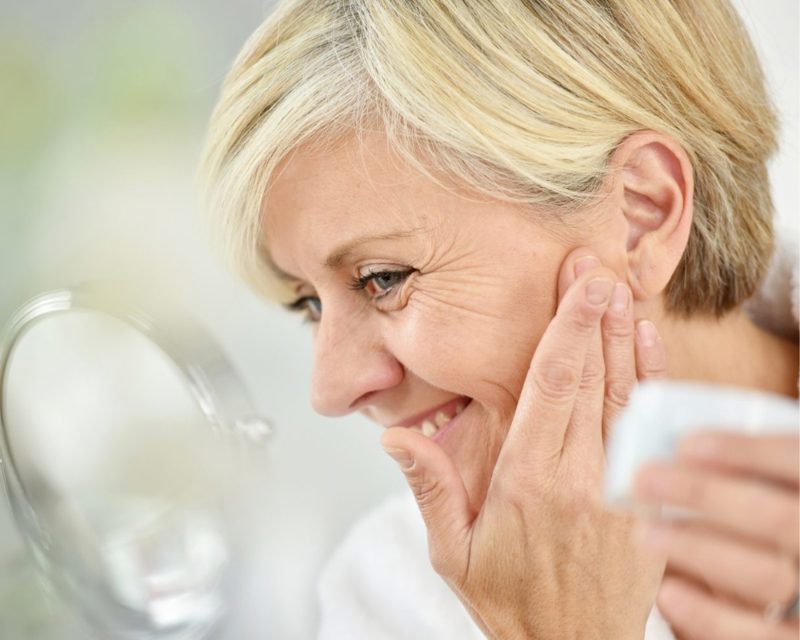
Mature skin isn't reserved for people who are older
Mature skin doesn't mean someone who is older - it's actually its own kind of skin type. This is when signs of aging start to show as our skin loses its natural collagen and elastin, aka the proteins that help our skin remain plump and firm. This can cause lines and wrinkles to form more easily and affect someone's moisture levels. You might also find that as you get older, your skin starts to appear drier, which can lead to having to change products to help your new skin type.
Learning how to figure out what type of skin you have doesn't have to be tough, especially when things are broken down to make it easier. Once you know your skin type, you can work toward finding the right skin care products to give your skin everything it needs to be healthy.
You May Also Like
 Business
How Social Media Shapes Our Product Expectations
 Fashion
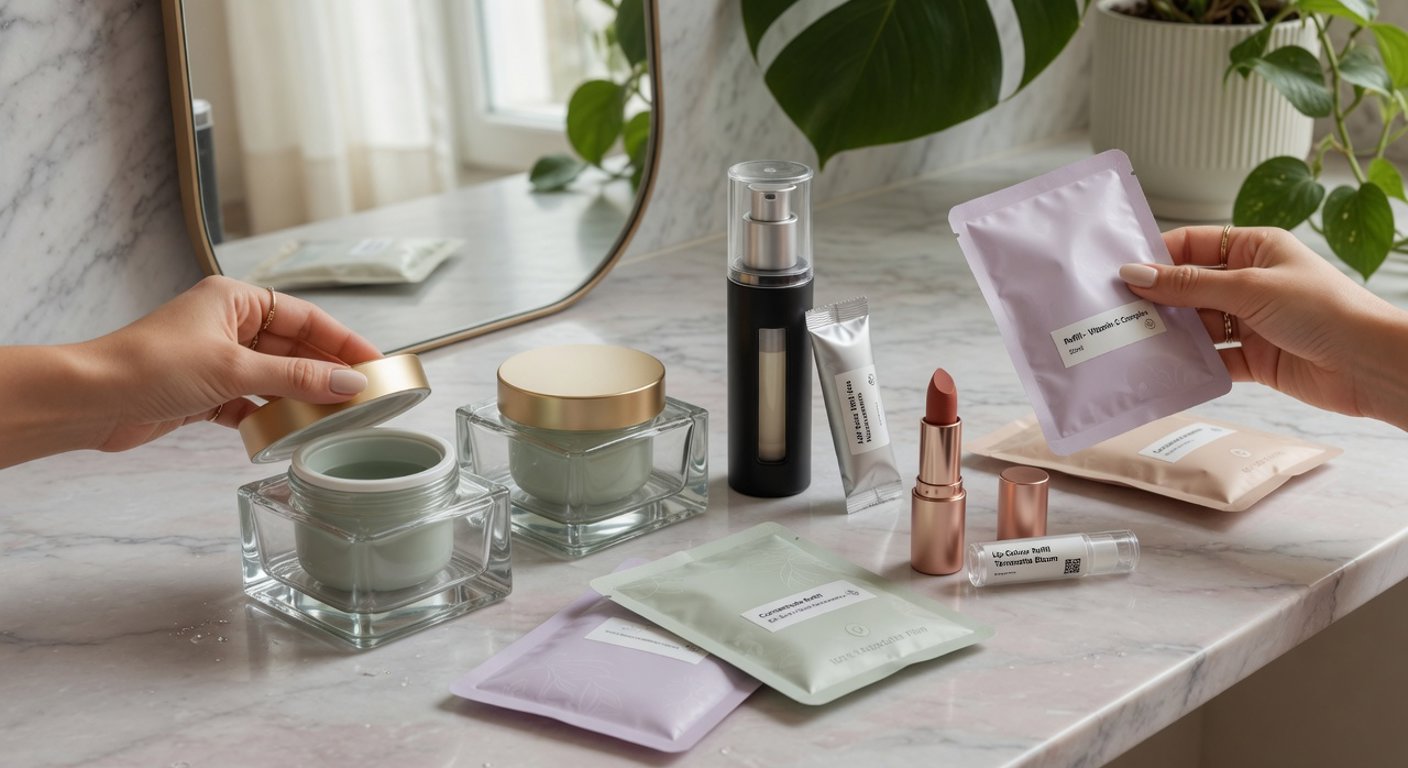
The Rise of Refillable Beauty Packaging
 Fashion
Why Beauty Dupes Are Such a Big Conversation